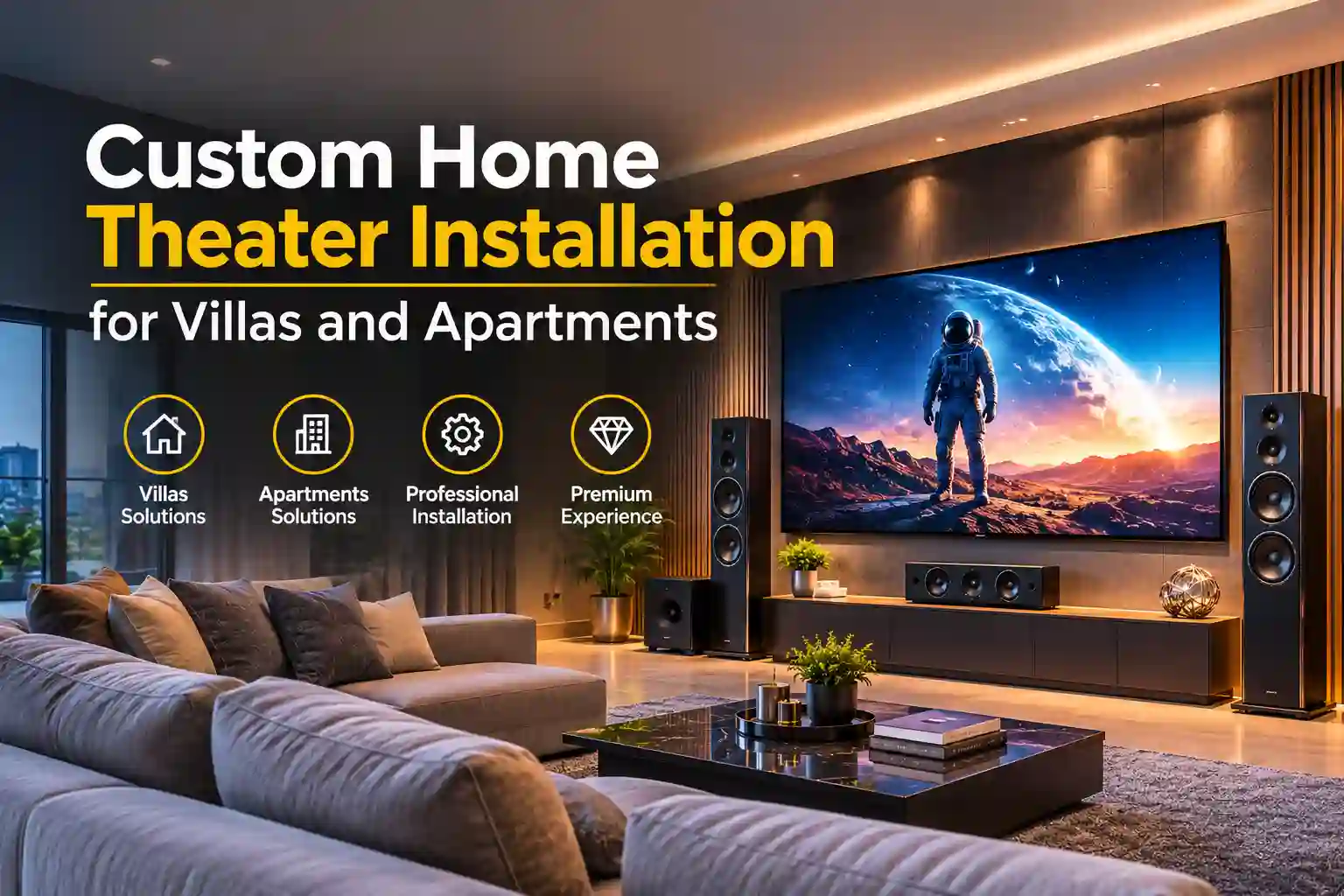
For people who genuinely enjoy music, listening through ordinary television speakers or portable Bluetooth devices is not always enough. There is something special about sitting in a dedicated space, playing your favourite music and experiencing every vocal, instrument and detail with clarity.
A well-designed music room can make that experience part of everyday life. Whether you enjoy classical music, jazz, rock, instrumental tracks or modern digital streaming, the right combination of audio equipment, room acoustics and interior design can transform an ordinary room into a personal listening space.
However, creating the perfect music room involves more than purchasing expensive speakers. Room dimensions, speaker placement, furniture, acoustic treatment and equipment selection all influence the final sound.
This guide explains how to design a music room at home, choose the right equipment and create a comfortable environment for high-quality music listening.
1. Choose the Right Room for Your Music Setup
The first step is selecting a suitable room. Ideally, choose a space where you can listen to music without frequent interruptions or excessive background noise.
A spare bedroom, study room or dedicated entertainment space can work well. You do not necessarily need a large room to create a good listening environment.
Before finalising the room, consider:
- Room dimensions and ceiling height.
- Window and door positions.
- Wall, floor and ceiling materials.
- Noise from neighbouring rooms or outside traffic.
- Available electrical and network connections.
- Space for speakers, equipment and comfortable seating.
A rectangular room is often easier to plan than an unusually shaped space, although room proportions and construction materials also matter.
If you are designing a music room during home construction or renovation, plan the electrical points, speaker wiring and equipment locations early. This can make installation cleaner and reduce the need for visible cables later.
2. Plan the Music Room Layout
The layout has a direct impact on listening comfort and sound quality.
For a traditional two-channel stereo setup, the two speakers and primary listening position should be planned together. A useful starting point is an approximately equal-sided triangle between the left speaker, right speaker and listener.
For example, if the speakers are positioned around eight feet apart, the main listening position can initially be placed at a similar distance from each speaker. The final arrangement should be adjusted according to the room and speaker design.
Consider these layout guidelines:
- Position the speakers symmetrically around the main listening area where possible.
- Avoid placing one speaker in a corner while leaving the other in an open space.
- Keep the listening position away from the exact centre of the room.
- Leave suitable space between speakers and walls.
- Ensure furniture does not obstruct the direct sound from the speakers.
- Allow enough space for equipment racks and maintenance access.
The objective is to create a balanced listening position where music sounds natural and instruments appear properly positioned across the stereo soundstage.
3. Select the Right Speakers for Your Music Room
Speakers are among the most important components of a music room. Their design, size, placement and compatibility with the amplifier influence the overall listening experience.
Two common options are bookshelf speakers and floor standing speakers.
Bookshelf Speakers
Bookshelf speakers are suitable for smaller rooms and compact listening spaces. Despite their size, good-quality bookshelf speakers can deliver impressive clarity, stereo imaging and detail.
They are generally placed on dedicated stands or suitable furniture, with enough space around them for proper sound dispersion.
Floorstanding Speakers
Floorstanding speakers are often considered for medium and larger rooms. Depending on their design, they can offer greater bass extension and a larger sound presentation.
However, they require sufficient space and should be matched with an appropriate amplifier.
Active vs Passive Speakers
Passive speakers require a separate amplifier, giving listeners flexibility when selecting amplification and other system components.
Active speakers have built-in amplification and can simplify system design. Some models also include digital inputs, streaming features or room correction.
The best option depends on the available space, listening preferences and desired level of system flexibility.
4. Choose the Right Amplifier and Audio Sources
Speakers alone cannot create a complete Hi-Fi listening system. The amplifier and music source must also be selected carefully.
Integrated Amplifier
An integrated amplifier combines preamplification and power amplification in one unit. It is a popular choice for traditional two-channel music systems.
When selecting one, consider:
- Power output and speaker impedance compatibility.
- Number of analogue and digital inputs.
- Built-in DAC availability.
- Phono input if you use a turntable.
- Network and streaming connectivity.
- Future expansion requirements.
Music Sources
Modern music rooms can support multiple listening sources, including:
- Network music streamers.
- Smartphones and tablets.
- Computers and music servers.
- CD players.
- Turntables and vinyl records.
- Digital music libraries and streaming services.
If you mainly use online music services, a dedicated network streamer may be useful. Vinyl enthusiasts may prefer a turntable with a suitable phono stage.
You do not need every type of equipment. Start with the sources you actually use and expand the system when required.
5. Give Special Attention to Room Acoustics
One of the biggest differences between an ordinary room and a well-designed music room is how sound behaves inside the space.
When speakers produce music, sound travels directly towards the listener and also reflects from walls, floors and ceilings. These reflections can affect clarity, stereo imaging and tonal balance.
Common acoustic problems include:
- Excessive echo and reverberation.
- Strong reflections from bare walls.
- Bass build-up in room corners.
- Uneven bass response across the listening area.
- Unbalanced sound caused by an asymmetrical layout.
Acoustic Panels
Acoustic panels absorb selected sound reflections and can help reduce excessive reverberation. They are commonly considered for suitable wall and ceiling locations.
Bass Traps
Bass traps are designed to help control low-frequency energy, particularly in areas where bass tends to build up. Room corners are common locations for bass treatment, although the correct solution depends on the room.
Rugs and Curtains
Hard floors, large glass windows and bare surfaces can contribute to unwanted reflections. Rugs, curtains and appropriate furnishings can help manage some of these reflections.
Diffusers
Diffusers scatter sound energy rather than absorbing it in the same way as acoustic panels. They may be useful in carefully designed listening spaces where maintaining a sense of spaciousness is important.
Acoustic treatment should be planned according to the room. Covering every wall with acoustic panels is not necessarily the right approach.
6. Understand the Difference Between Acoustic Treatment and Soundproofing
These two concepts are often confused when planning a home music room.
Acoustic treatment improves the sound inside the room. It helps manage reflections, reverberation and certain frequency-related problems.
Soundproofing aims to reduce sound transmission between the music room and surrounding spaces.
If you enjoy listening to music at higher volumes or use musical instruments, sound transmission may become an important consideration.
Depending on the construction and requirements, sound isolation may involve:
- Sealing gaps around doors and windows.
- Improving door and window construction.
- Adding appropriate wall or ceiling assemblies.
- Using suitable isolation systems for floors or equipment.
- Addressing structural sound transmission.
Soundproofing is a construction-related process and should be evaluated before work begins. Adding ordinary acoustic foam to a wall will not make a room soundproof.
7. Design Comfortable Lighting and Interiors
A music room should be comfortable enough to encourage longer listening sessions.
Lighting and furniture may not directly improve speaker performance, but they contribute significantly to the overall experience.
Consider the following design ideas:
- Use warm, adjustable lighting for a relaxed atmosphere.
- Avoid harsh lights directly behind the speakers.
- Select comfortable seating positioned at the main listening point.
- Keep equipment racks organised and ventilated.
- Use furniture that does not obstruct speakers.
- Choose curtains and furnishings that complement the room’s acoustic requirements.
- Keep frequently used equipment easily accessible.
For a premium music room, you can also consider concealed lighting, dedicated equipment cabinets and customised interior finishes.
The goal is to create a space that feels inviting without compromising the practical requirements of audio equipment.
8. Plan Wiring, Power and Connectivity
Good wiring planning helps keep the room organised and makes future upgrades easier.
A typical music room may require:
- Speaker cable routes.
- Analogue audio connections.
- HDMI or digital audio connections, where applicable.
- Ethernet connections for network streamers.
- Adequate electrical outlets.
- Proper ventilation around amplifiers and other equipment.
Keep signal cables organised and avoid unnecessary cable runs. Use cables appropriate for the equipment and installation distance.
During construction or renovation, concealed conduits can provide flexibility for future changes. Also ensure that electrical installations follow appropriate safety standards and that high-power equipment has suitable power provision.
9. Consider a Subwoofer for Deeper Bass
A subwoofer can extend the low-frequency performance of a stereo music system, particularly when the main speakers have limited bass output.
However, adding a subwoofer does not automatically improve every setup.
It must be integrated properly with the main speakers through suitable crossover settings, level adjustment and placement.
For smaller rooms, a compact subwoofer may be sufficient. Larger listening spaces may require a more capable model.
The aim is to achieve smooth, balanced bass that supports the music rather than overpowering vocals and instruments.
10. Plan Your Music Room According to Your Budget
A music room does not need to be built all at once. You can start with essential equipment and improve the space over time.
| Budget Priority | What to Focus On |
| Essential setup | Good speakers, suitable amplifier and music source |
| Improved listening | Better speaker positioning, stands and basic acoustic improvements |
| Advanced setup | Dedicated streamer, upgraded components and detailed acoustic treatment |
| Premium music room | High-quality speakers, separate components, customised interiors and professional acoustic design |
Rather than spending the entire budget on one expensive component, aim for a balanced system.
For example, high-end speakers in a poorly designed room may not deliver their full potential. It can be more sensible to invest in suitable equipment and room improvements together.
11. Common Mistakes to Avoid When Designing a Music Room
Even a room with expensive equipment can produce disappointing sound if important details are overlooked.
Buying equipment before planning the room: First understand the available space and listening requirements.
Choosing speakers only by size: Larger speakers are not automatically better. Room compatibility matters.
Ignoring speaker placement: Poor positioning can affect stereo imaging and bass response.
Overusing acoustic foam: Acoustic treatment should be based on the room’s actual problems.
Confusing soundproofing with acoustic treatment: Both solve different problems and require different solutions.
Ignoring ventilation: Amplifiers and other electronic components need adequate ventilation.
Forgetting future upgrades: Plan enough connections and space for additional equipment.
12. Why Choose AudioCare for Music Room Design and Installation?
Creating a high-quality music room requires an understanding of audio equipment, room acoustics, speaker positioning and system integration.
AudioCare provides audio consultation and installation solutions for homes and commercial spaces. Its services include music room creation, music room acoustic installation, speaker and amplifier setup, home theater systems and customised audio solutions.
Whether you are planning a compact music listening area in your apartment or a dedicated Hi-Fi room in a villa, the right guidance can help you select suitable equipment and plan the space effectively.
A professional assessment can help identify the appropriate speakers, amplifier, audio sources, wiring requirements and acoustic improvements based on your room and budget.
To discuss your music room requirements, visit AudioCare or explore it’s Audio System Consultation and Installation Services.
Final Thoughts
Designing the perfect music room at home is about bringing together sound quality, comfort and thoughtful planning.
The right speakers and amplifier are important, but they are only part of the complete experience. Room dimensions, acoustic treatment, speaker placement, furniture, lighting and wiring all contribute to how music sounds and feels.
Start with your listening preferences, select a suitable room and plan the equipment around the available space. Make improvements gradually rather than purchasing unnecessary components.
With the right design and professional installation, even an ordinary room can become a dedicated space where you can enjoy music the way it was meant to be heard.